
Posted April 1, 2026
Dallas Arts Icon Lily Weiss On Her Legacy and Looking Forward

For nearly a decade, outgoing executive director of the Dallas Arts District, Lily Cabatu Weiss, has been an arts advocate with a blend of passion and strategic vision. With deep roots dating back to the late ’70s, Lily has spent her career championing the creators who make our city thrive. We caught up with Lily to reflect on her journey from the district’s early days to the legacy she leaves behind.
Q: You’ve been in the Arts District since 1978, before there was an official
Dallas Arts District. How have the arts changed this corner of downtown, and
indeed the image of Dallas?
A: In 1978, when I joined the dance faculty at the Arts Magnet High School, I had a front row seat as part of the planning committee for the future Dallas Arts District. We quickly recognized that a great city isn’t found, but created.
There was this determination that whatever we did, we would do it first class, or we wouldn’t do it at all, which distinguishes Dallas from a number of cities.
This is exactly what happened in the Dallas Arts District in 1984 when the
Dallas Museum of Art opened, followed by the Trammell Crow Center the year after, and I.M. Pei’s Morton Meyerson Symphony Center in 1989 on land that was once the Borden Dairy processing plant.
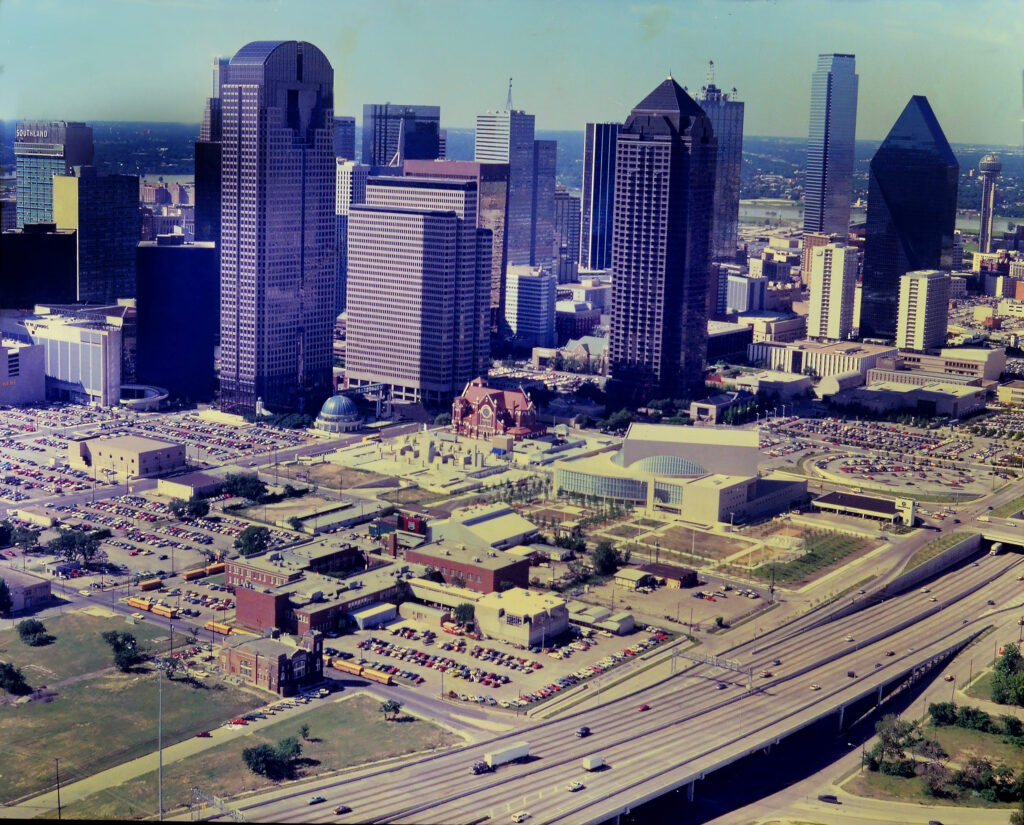
No one could have predicted that this mixed-use neighborhood would become one of the largest urban arts districts in the nation—the heart of the city seamlessly integrating exemplary artistic, residential, cultural, and
commercial life.
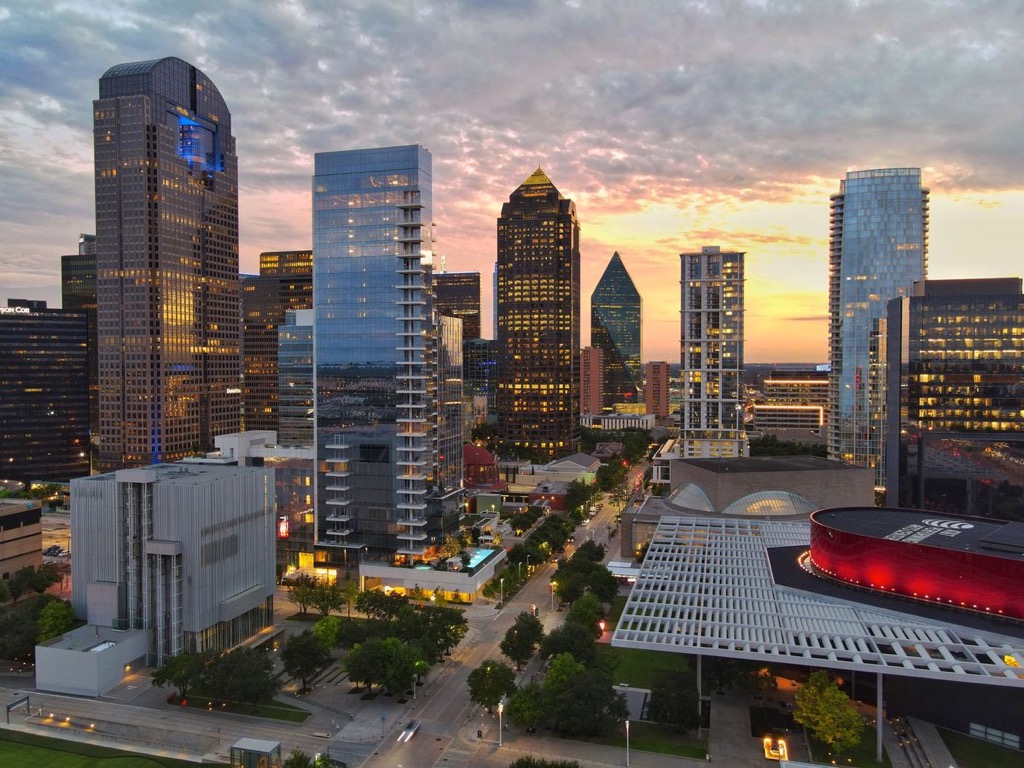
Q: You’ve led the Arts District for nine years. What would you like your legacy to be?
A: I’ve always been the type of person to roll up my sleeves and get to work.
Over the last decade, my goal has been simple: to leave the organizations I am passionate about better than I found them.
I’m incredibly proud to have guided the Dallas Arts District through a massive expansion to 118 acres and helped secure its recognition as the No. 1 arts district in the nation.
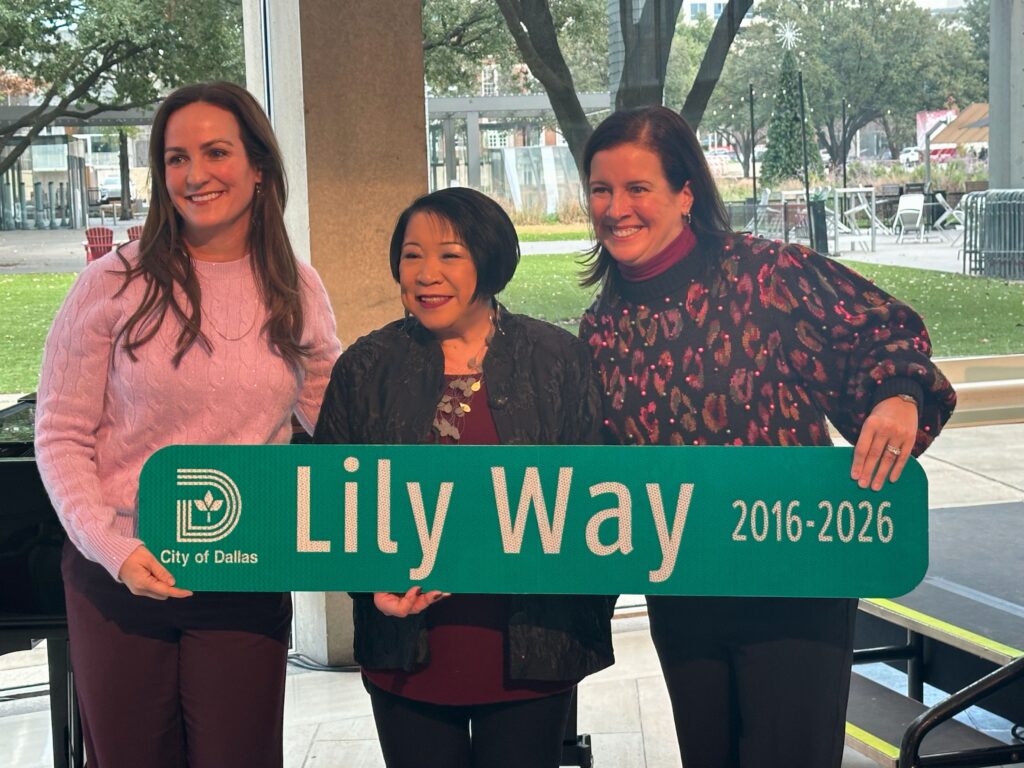
event for her service to the Dallas Arts District. | Photo courtesy of Dallas Arts District
Q: You’ve been a visionary. What does the Dallas Arts District look like in the future?
A: I envision a 24/7 neighborhood where the streets are as alive as the stages.
My dream for the future includes seeing collaborative program offerings grow Dallas’ cultural landscape through rigorous and energetic leadership.
Lily’s transition marks the end of an era, but her vision for a vibrant, inclusive
Arts District will continue to influence new generations of artists and leaders.